
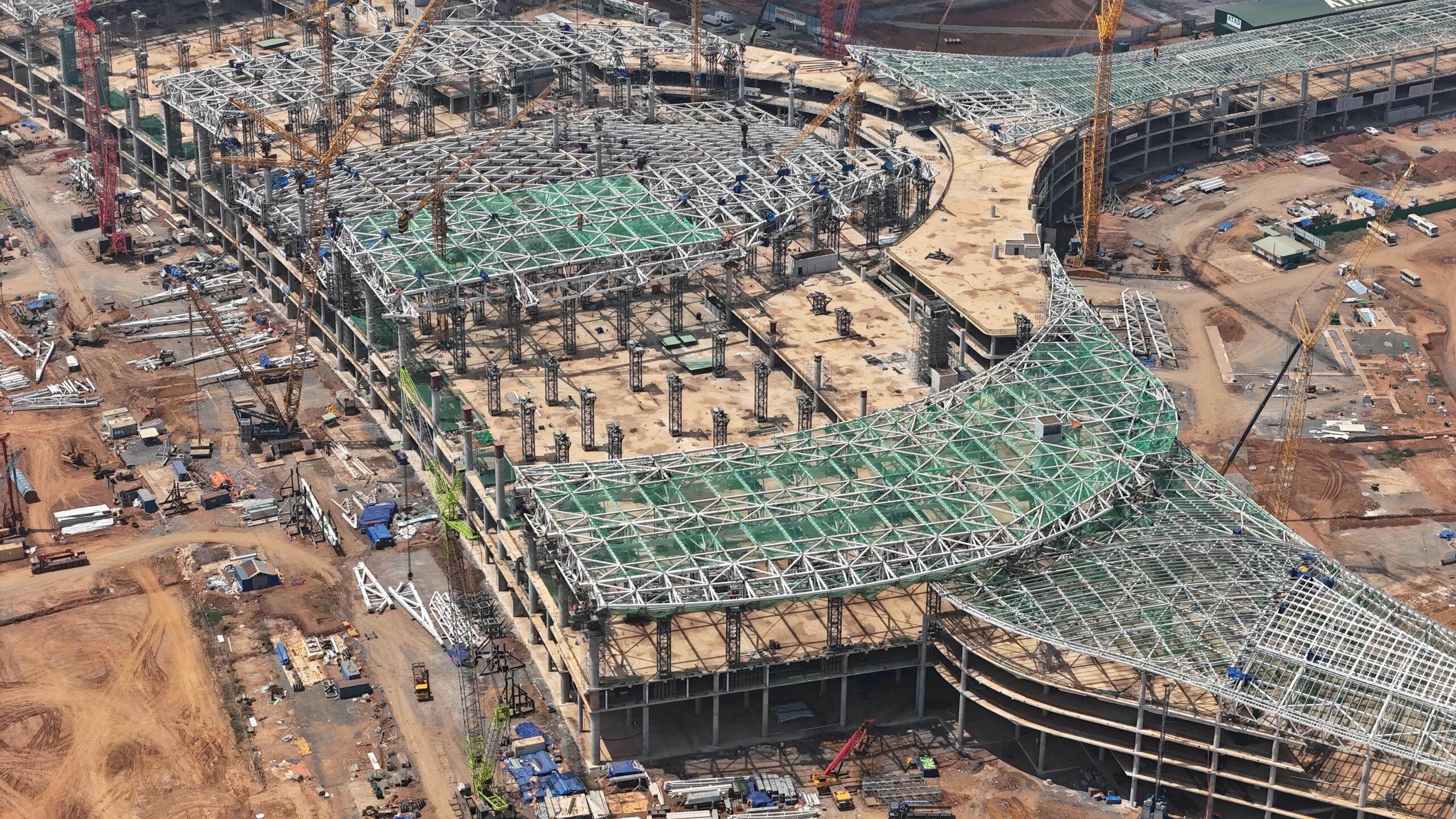
Mega events and large-scale infrastructure developments have always acted as powerful catalysts for economic and social transformation. Over the last decade, global expos, smart city initiatives, and national infrastructure programs have reshaped not only skylines but also the nature of employment. Today, workforce requirements are no longer limited to basic labor needs. Instead, they have evolved toward highly skilled, technology-driven, and sustainable human capital.
Modern projects in regions such as the Middle East—particularly in Saudi Arabia and Abu Dhabi—demonstrate how ambitious national visions are directly influencing employment trends. Governments and private organizations now recognize that building infrastructure is not just about materials and machinery; it is equally about people and talent.
Changing Dynamics of Workforce Demand
Expo and large-scale infrastructure projects have fundamentally altered workforce needs by accelerating demand for specialized technical skills, driving a shift toward localized labor, and increasing the necessity for technology-enabled, sustainable construction expertise. These projects—such as the Riyadh Expo 2030 or regional infrastructure initiatives—create a “boom” effect, requiring rapid, high-volume recruitment of both skilled trades and, increasingly, tech-savvy professionals to manage advanced, automated systems.
This shift marks a departure from traditional hiring models. In the past, construction projects relied mainly on manual labor and general contractors. Today, however, companies require a diverse mix of engineers, IT specialists, sustainability experts, and highly trained technicians.
Key Workforce Trends Driven by Mega-Projects
The transformation in employment needs can be clearly seen across several major trends:
Surge in Demand for Specialized Skills
Infrastructure projects require a mix of traditional construction, advanced engineering, and technology specialists. The demand for skilled workers like electricians, welders, and heavy equipment operators is exceptionally high.
Massive developments such as metro systems, airports, smart cities, and renewable energy plants demand workers who possess technical certifications and hands-on expertise. Employers are no longer just hiring laborers—they are looking for professionals who can operate complex machinery, interpret technical drawings, and ensure international quality standards.
Transition to Sustainable & Smart Construction
Modern infrastructure is being built with the future in mind. Environmental sustainability has become a top priority for governments and developers worldwide.
Projects are increasingly incorporating green building practices, increasing demand for sustainability consultants, energy efficiency managers, and experts in eco-friendly materials.
From solar-powered facilities to energy-efficient transport systems, sustainability-focused construction has opened new career paths. Companies now seek specialists in LEED certification, carbon footprint reduction, and renewable energy integration—roles that barely existed a decade ago.
Technological Integration and AI
Technology is revolutionizing the way infrastructure projects are executed. Digital transformation has become a core component of construction planning and operations.
To counteract labor shortages and improve safety, companies are integrating drones, robotics, and AI-driven project management. This has shifted workforce needs toward workers who are “tech-savvy” and able to operate, maintain, or manage automated equipment.
As a result, construction workers today are expected to understand digital tools such as Building Information Modeling (BIM), automated scheduling software, and data analytics platforms. The industry is rapidly becoming a blend of engineering and information technology.
Localization Policies Reshaping Recruitment
Another major factor influencing workforce needs is government-driven localization programs—especially in Gulf countries.
Localization (Localization Policies): In regions like the GCC, projects are designed to boost the employment of local nationals (e.g., “Saudization”), shifting the focus from purely imported labor to training and upskilling local talent.
This trend has forced companies to rethink their hiring strategies. Instead of relying entirely on expatriate workers, organizations are investing heavily in training programs, apprenticeships, and partnerships with local universities to develop homegrown expertise.
Closing the Gender Gap
Infrastructure and construction were once considered male-dominated industries. However, modern mega-projects are actively promoting workforce diversity.
Closing the Gender Gap: Large infrastructure projects are now actively promoting the inclusion of women, particularly in previously male-dominated technical and managerial roles.
From engineering positions to project management and site supervision, more women are now playing key roles in shaping the future of infrastructure across Saudi Arabia, the UAE, and the wider region.
Impact on Specific Sectors
Large-scale developments do not only affect construction companies. Their influence spreads across multiple industries.
Construction & Engineering
The most obvious impact is within the construction and engineering sector. There is high demand for project managers, engineers, and skilled laborers (e.g., scaffolding, concrete). Every new road, bridge, stadium, or metro line requires thousands of trained professionals to plan, build, and maintain it.
Hospitality & Tourism
Mega events like global expos bring millions of visitors, creating long-term opportunities beyond the construction phase.
Hospitality & Tourism: Development of venues creates a long-term demand for hotel staff, event planners, and service industry workers.
Once infrastructure is completed, cities require trained personnel to manage hotels, convention centers, and entertainment facilities. This leads to sustainable employment even after projects are finished.
Logistics & Transport
New airports, ports, and transport networks require a large supporting workforce.
Logistics & Transport: Increased need for transportation personnel, cargo management, and transit operators.
The growth of smart logistics hubs in Abu Dhabi and Saudi Arabia has particularly boosted demand for supply chain managers, drivers, and warehouse specialists.
Workforce Evolution and Challenges
While mega-projects create enormous opportunities, they also present serious workforce challenges.
Urgent Need for Upskilling
Technology is advancing faster than many workers can adapt.
Urgent Need for Upskilling: With 59% of the workforce requiring training due to technological shifts, there is a massive focus on reskilling programs to align existing workers with new technological standards.
Governments and private companies are now collaborating on vocational programs to prepare employees for modern construction environments.
Shortage of Qualified Talent
Despite the abundance of job openings, finding the right people remains difficult.
Shortage of Qualified Talent: Despite high demand, firms continue to struggle with finding qualified workers, with 80-90% of construction firms reporting difficulty in hiring.
This has increased the importance of recruitment agencies, workforce outsourcing companies, and specialized training institutes—especially in growing markets like Abu Dhabi.
Generational Collaboration
Today’s projects bring together workers from different age groups and backgrounds.
Generational Collaboration: Projects often require integrating up to four generations of workers, demanding a blend of experienced, traditional skills with the technical fluency of younger employees.
Organizations must create environments where experienced professionals and digital-native employees can collaborate effectively.
Focus on Worker Experience
Retaining talent has become just as important as hiring it.
Focus on Worker Experience: Retention is becoming more dependent on company culture, safety, and providing a sense of purpose to workers.
Companies now invest more in employee well-being, career development, and workplace safety to remain competitive employers.
Long-Term Implications for the Region
Cities such as Abu Dhabi are perfect examples of how infrastructure projects permanently transform workforce ecosystems. What begins as a short-term construction boom gradually evolves into long-term demand for operations staff, technology experts, and service professionals.
As smart cities, renewable energy plants, and digital transport systems become standard, workforce needs will continue to shift toward knowledge-based and technology-oriented roles.
Conclusion
In summary, the demand has moved from simply hiring for brute-force, short-term construction to needing a highly trained, diverse, and technology-capable workforce that can maintain the infrastructure built for the future.
Expo events and mega infrastructure programs have permanently changed how organizations hire, train, and manage people. The modern workforce must now be skilled, adaptable, and prepared for continuous learning.
For regions like Saudi Arabia and Abu Dhabi, this transformation presents both a challenge and an opportunity—to build not only world-class infrastructure but also a world-class workforce ready to power the next generation of development.