
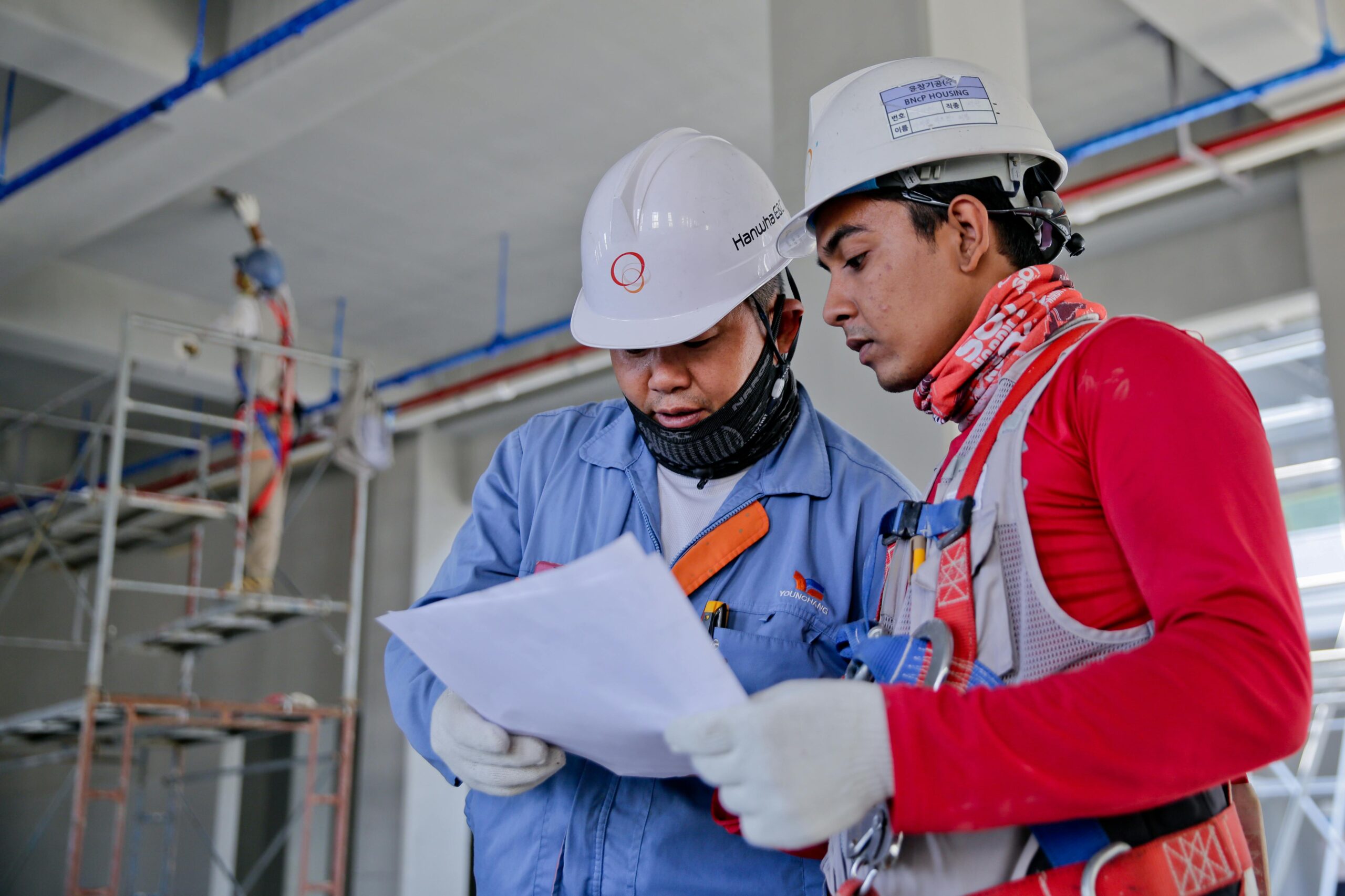
Workplace safety is one of the most critical responsibilities of any employer. Regardless of industry—construction, manufacturing, healthcare, or corporate offices—employees face potential risks every day. The question every organization should ask is: Worksite Safety Training Every Employer Should Prioritize? The answer is simple—comprehensive, structured, and ongoing safety training.
A well-trained workforce not only prevents accidents but also improves productivity, morale, and legal compliance. In regions such as Abu Dhabi, where large-scale construction and industrial projects are common, safety training is not just recommended—it is essential.
Why Worksite Safety Training Matters
Every year, thousands of workplace injuries occur due to poor training, lack of awareness, or negligence. These incidents result in lost work hours, financial losses, legal penalties, and, most importantly, harm to employees.
That is why Employers must prioritize comprehensive safety training to create a secure, compliant work environment. Essential training includes OSHA compliance (hazard communication, PPE usage), emergency action plans (fire/evacuation), first aid, and site-specific hazards. Training should also cover slips/trips/falls prevention, electrical safety, safe manual handling, and active shooter preparedness.
By focusing on these areas, employers can build a proactive safety culture where employees understand risks and know how to respond effectively.
Essential Worksite Safety Training Programs
To ensure a truly safe working environment, organizations should implement the following critical safety programs:
OSHA Compliance and General Safety
One of the most important foundations of workplace safety is adherence to international safety standards.
OSHA Compliance and General Safety: Ensures adherence to legal standards (e.g., OSHA 10 or 30-hour courses) to minimize risks and avoid fines.
These programs educate employees on workplace rights, hazard recognition, accident prevention, and employer responsibilities. In Abu Dhabi’s industrial and construction sectors, OSHA-based training is widely recognized and helps companies meet global safety benchmarks.
Hazard Communication (HazCom)
Many workplaces involve the use of chemicals and hazardous substances. Without proper training, employees may unknowingly expose themselves to serious health risks.
Hazard Communication (HazCom): Training on identifying, handling, and storing hazardous chemicals (Safety Data Sheets – SDS).
This training ensures that workers understand chemical labels, safety data sheets, and proper handling procedures, reducing the likelihood of accidents and long-term health issues.
Personal Protective Equipment (PPE)
Providing PPE is not enough—employees must know how to use it correctly.
Personal Protective Equipment (PPE): Training on the proper selection, use, maintenance, and limitations of gear like hard hats, safety glasses, and gloves.
Proper PPE training significantly reduces injuries related to falling objects, sharp tools, chemicals, and other site hazards.
Emergency Preparedness and Response
Emergencies can happen without warning. Fire outbreaks, gas leaks, or natural disasters require immediate action.
Emergency Preparedness and Response: Procedures for fires, evacuations, and natural disasters, including the location of exits and emergency equipment.
Employees who are well-trained in emergency protocols can save lives and minimize damage during critical situations.
First Aid and CPR Training
Accidents happen even in the safest workplaces. Having trained responders on-site can make a major difference.
First Aid and CPR: Training for designated employees on responding to medical emergencies until help arrives.
This training is particularly important on large job sites in Abu Dhabi where medical help may not always be immediately available.
Fall Protection and Prevention
Falls remain one of the leading causes of workplace injuries, especially in construction.
Fall Protection and Prevention: Crucial for construction or elevated work to prevent slips, trips, and falls, which are major causes of injuries.
Training workers on proper harness use, ladder safety, and secure scaffolding can drastically reduce accident rates.
Lockout/Tagout (LOTO)
Machinery-related accidents are common in industrial environments.
Lockout/Tagout (LOTO): Procedures to prevent accidental machine start-ups during maintenance.
This program teaches employees how to safely shut down equipment before repairs, protecting them from severe injuries.
Electrical Safety
Electrical hazards are often invisible but extremely dangerous.
Electrical Safety: Educating employees on identifying, avoiding, and mitigating electrical hazards.
Proper training prevents electrocution, fires, and equipment damage.
Machine Guarding and Equipment Safety
Many injuries occur due to improper use of machines.
Machine Guarding and Equipment Safety: Training on safe operation of machinery and guarding, especially in manufacturing or production environments.
Employees learn how to operate tools safely and recognize unsafe equipment conditions.
Ergonomics and Safe Lifting
Repetitive strain and improper lifting are major causes of long-term injuries.
Ergonomics and Safe Lifting: Techniques to prevent musculoskeletal disorders from improper lifting or repetitive strain.
This training reduces back injuries and improves employee well-being.
Workplace Violence Prevention
Unfortunately, modern workplaces must also prepare for human-related threats.
Workplace Violence Prevention: Procedures for recognizing warning signs and responding to violent incidents or active shooters.
Although rare, preparedness training ensures employees know how to react responsibly in dangerous situations.
Best Practices for Implementation
Simply offering training is not enough. It must be implemented effectively. The following strategies ensure long-term success:
Tailored Training
Every workplace is different.
Tailored Training: Address specific risks associated with individual job roles rather than a one-size-fits-all approach.
For example, construction workers in Abu Dhabi require different safety training than office staff or healthcare professionals.
Ongoing and Refresher Training
Safety training should never be a one-time activity.
Ongoing and Refresher Training: Conduct regular training sessions to reinforce safety knowledge, keep up with new procedures, and onboard new employees.
Regular updates ensure that workers remain aware of evolving risks and regulations.
Active Reporting Culture
A strong safety culture depends on open communication.
Active Reporting Culture: Train employees to report hazards and near-misses immediately, fostering proactive hazard identification.
When workers feel comfortable reporting issues, accidents can be prevented before they occur.
Document Everything
Proper documentation is essential for compliance and accountability.
Document Everything: Maintain detailed records of all safety training, attendees, and dates for compliance verification.
In Abu Dhabi and across the UAE, maintaining training records is often required for government audits and project approvals.
The Business Benefits of Safety Training
Prioritizing worksite safety training is not just about avoiding accidents. It also provides major business advantages:
- Reduced workplace injuries and compensation claims
- Higher employee productivity and morale
- Compliance with local and international safety laws
- Lower insurance premiums
- Stronger company reputation
Companies in Abu Dhabi that invest in safety training often win more contracts and build long-term
trust with clients.
Conclusion
So, what is the answer to “Worksite Safety Training Every Employer Should Prioritize?”
The answer is clear: employers must implement a structured, well-documented, and continuous safety training program covering OSHA compliance, PPE, emergency preparedness, hazard communication, and job-specific risks.
A safe workplace is not created by rules alone—it is built through education, awareness, and commitment. By prioritizing proper safety training, organizations in Abu Dhabi and beyond can protect their most valuable asset: their people.
Investing in safety today means preventing accidents tomorrow.